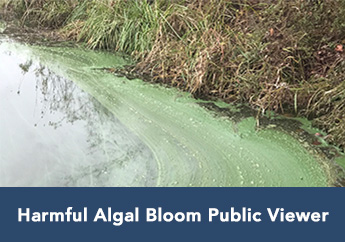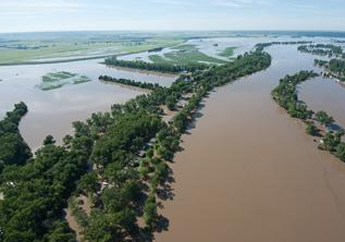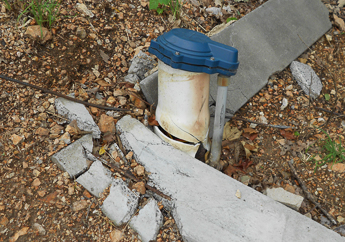
Sometimes water can become hazardous to our health through natural or man-made events. Water hazards are dangers in water bodies that stem from various biological, chemical or physical sources that jeopardize the waters quality. E. coli, a common bacteria, could pose a health risk if it is present in water at high levels — such as after heavy rains or from waste (feces) from wildlife, waterfowl, pets and farm animals. Various pollutants can enter drinking water supplies through surface water runoff, equipment failure or chemical spills. Warm temperatures and an over-abundance of nutrients (nitrogen and phosphorus) in a waterbody can cause rapid growth of toxic cyanobacteria, called Harmful Algal Blooms.
When water sources are unsafe, the Missouri Department of Natural Resources and various other state and local departments will warn the public through different types of notifications and alerts. We aim to keep you safe and informed of hazardous conditions, such as floods, droughts, bacteria in the water and other dangerous conditions. Information about current notifications and alerts are provided below.